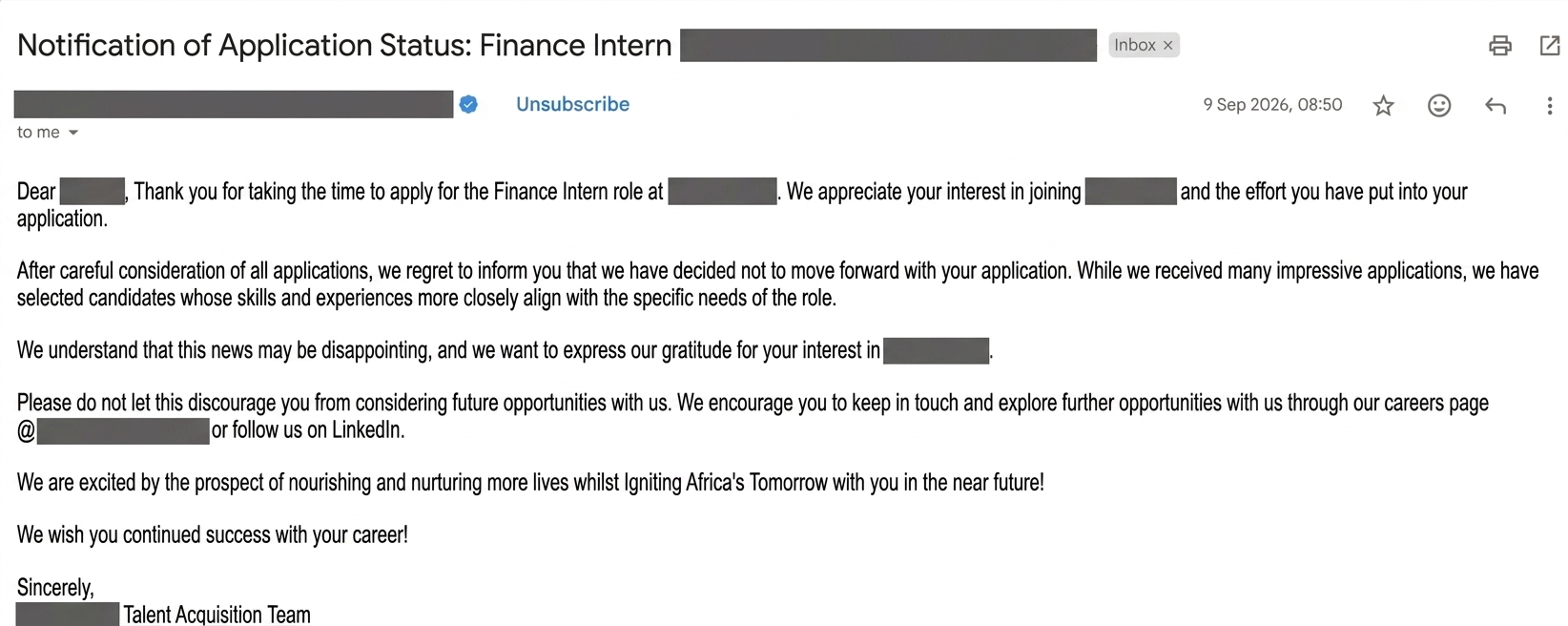
Every day, thousands of recent graduates scroll through job boards, spot an exciting role, and hit “Save for Later.” The plan seems sensible: wait until the weekend, polish every line of the CV, and craft a flawless cover letter. We see this pattern frequently on our platform.
However, candidate behavior and platform trends at Career Unified reveal a stark reality: saving a job for later can drastically reduce your chances of receiving an interview invitation.
The Hidden Trap of “Save for Later”
Many graduates approach job application deadlines like university assignments, planning to submit right before time runs out. This creates a massive, hidden disadvantage for late applicants.
Career Unified Data Insight:
“Across our data at Career Unified, we see a massive wave of recent graduates bookmarking jobs to apply later, creating a huge spike in submissions right before the deadline. But here is the reality by the time that deadline arrives, recruiters have often already selected their candidates and filled the interview positions.”
Why late applications lose ground
When you delay your application, three things happen behind the scenes:
- Rolling shortlists: Recruiters do not wait for the closing date to start reviewing profiles. They evaluate applications as they arrive and schedule interviews immediately to keep hiring moving.
- Recruiter decision fatigue: In the first 48 hours, hiring managers give resumes focused attention. By day seven, after reviewing hundreds of profiles, they scan quickly and become far more selective.
- The “first batch” benchmark: Early applicants set the standard. If a recruiter finds eight qualified candidates in the first few days, late applicants with identical skills are often skipped simply because the interview schedule is already full.
Applying early does not replace strong qualifications.
Submitting your CV with only the minimum qualifications does not mean you will be prioritised over someone with stronger qualifications and more relevant skills. Applying on time simply gives your application a fair chance to be reviewed while the shortlist is still being built.
For example, if a government role is advertised for 10 positions and attracts 2,000 applications, recruiters may begin reviewing and shortlisting the earliest batches first. The first 100 applications may receive attention before the remaining applications are reviewed. This does not guarantee that early applicants will be selected, but a late application may arrive after the shortlist or interview schedule is already largely complete.
Shift Your Strategy: Speed Over Perfection
Speed does not mean submitting careless work. It means preparing a strong, truthful application quickly enough to be considered while the role is actively being reviewed.
- Treat Day 1 as the real deadline: Aim to submit within 24 to 48 hours of a posting going live.
- Leverage AI tools on Career Unified: Use the built-in AI CV Builder to tailor your resume to the specific job requirements in seconds, then review every suggested change for accuracy.
- Use the AI Cover Letter Tailor: Skip hours of staring at a blank page. Generate a targeted cover letter quickly while ensuring your application highlights relevant skills truthfully.
- Set instant alerts: Turn on daily notifications for roles in your field so you are more likely to be in the first batch of applicants.
Conclusion
A solid application submitted on day one will often beat a “perfect” application submitted on deadline day. Do not let your dream role sit in your saved folder while the shortlist fills up. Use Career Unified tools to tailor your materials in minutes, apply early, and give your application a fair chance to be seen.
Apply while the opportunity is open.
Find current roles, prepare your application quickly and move from saved opportunity to submitted application with Career Unified.
Browse current jobs